na sklade
The Sentinel State Surveillance and the Survival of Dictatorship in China
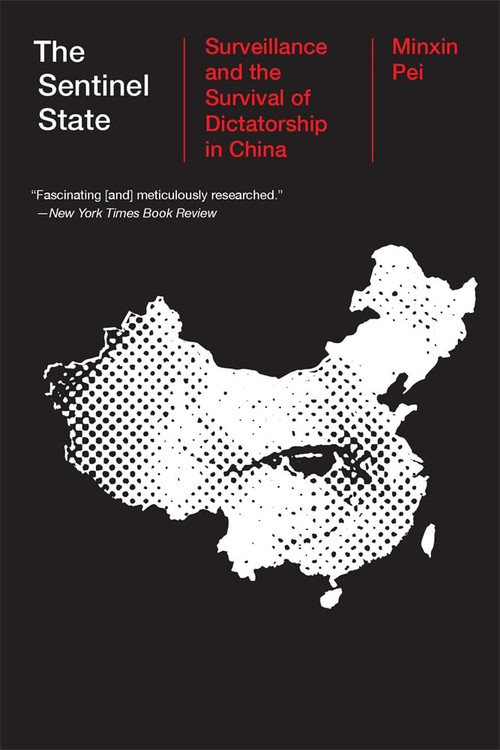
Pei MinxinCountering recent hype around technology, a leading expert argues that the endurance of dictatorship in China owes less to facial recognition AI and GPS tracking than to the human resources of the Leninist surveillance state.
China watchers long argued that economic liberalization and prosperity would be harbingers of democracy. Čítať ďalej ↓
Instead, the Communist Party’s grip has strengthened. How? The answer lies in the effectiveness of the surveillance state. And the source of that effectiveness is not just facial recognition AI and phone tracking. Technology is important, but what matters more is China’s vast army of domestic spies.
Central government surveillance data is confidential, so Minxin Pei turned to local reports, police gazettes, leaked documents, and interviews with exiled dissidents to provide a detailed look at the evolution, organization, and tactics of the surveillance state. Following the 1989 Tiananmen uprising, the Party invested in a coercive apparatus operated by a small number of secret police capable of mobilizing millions of citizen informants. The Party’s Leninist bureaucratic structure—whereby officials and activists penetrate every sector of the economy and civil society, from universities to delivery companies to monasteries—ensures that Beijing’s eyes and ears are everywhere.
Rigorously empirical and rich in historical insight, The Sentinel State is a singular contribution to our knowledge about Chinese state coercion and, more generally, the survival strategies of authoritarian regimes.
Central government surveillance data is confidential, so Minxin Pei turned to local reports, police gazettes, leaked documents, and interviews with exiled dissidents to provide a detailed look at the evolution, organization, and tactics of the surveillance state. Following the 1989 Tiananmen uprising, the Party invested in a coercive apparatus operated by a small number of secret police capable of mobilizing millions of citizen informants. The Party’s Leninist bureaucratic structure—whereby officials and activists penetrate every sector of the economy and civil society, from universities to delivery companies to monasteries—ensures that Beijing’s eyes and ears are everywhere.
Rigorously empirical and rich in historical insight, The Sentinel State is a singular contribution to our knowledge about Chinese state coercion and, more generally, the survival strategies of authoritarian regimes.