
K prevádzke internetového kníhkupectva Artforum využívame cookies slúžiace na zabezpečenie a meranie funkčnosti, marketingové účely a zaistenie vášho maximálneho pohodlia a spokojnosti.
Cookies sú malé textové súbory s obmedzenou časovou platnosťou ukladáné vo vašom prehliadači. Umožňujú nám rozoznať vás, zabezpečiť nákup a identifikovať, čo vás napr. najviac zaujíma, čo vyhľadávate alebo či je pre vás všetko dostatočne pochopiteľné. Rovnako ich používame na marketingové účely, na zobrazenie reklamy a obsahu stránky, ktorý je tak pre vás relevantnejší. Pracujeme tiež s pixelmi – malými neviditeľnými obrázkami, ktoré zbierajú informácie o vašom prehliadači a zariadení.
Cookies nám pomáhajú zaistiť vaše maximálne pohodlie a spokojnosť pri nákupe.
Okrem týchto možností môžete využiť možnosti zabudované priamo do vášho prehliadača na zmazanie existujúcich alebo blokovanie nových cookies. Nezabudnite, že nastavenia prehliadača budete musieť upraviť na každom zariadení, kde budete prehliadať naše internetové kníhkupectvo. Ďalšie prehliadače.
Ak máte k tomuto cookies vyhláseniu akékoľvek otázky, dajte nám vedieť.
Toto prehlásenie bolo naposledy aktualizované 22.04.2023.
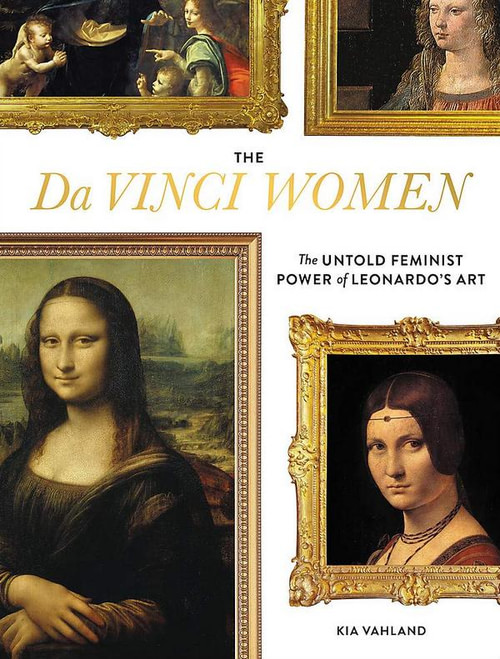
Leonardo da Vinci was a revolutionary thinker, artist and inventor who has been written about and celebrated for centuries. Lesser known, however, is his revolutionary and empowering portrayal of the modern female, centuries before the first women's liberation movements. Čítať ďalej ↓
Before da Vinci, portraits of women in Italy were still, impersonal and mostly shown in profile. Leonardo pushed the boundaries of female depiction having several of his female subjects, including his Mona Lisa, gaze at the viewer, giving them an authority which was withheld from women at the time. Art historian and journalist Kia Vahland recounts Leonardo's entire life from April 15, 1452, as a child born out of wedlock in Vinci up through his death on May 2, 1519, in the French castle of von Cloux. Included throughout are 80 sketches and paintings showcasing Leonardo's approach to the female form (including anatomical sketches of birth) and other artwork as well as examples from other artists from the 15th and 16th centuries. Vahland explains how artists like Raphael, Giorgione, Giovanni Bellini and the young Titian were influenced by da Vinci's women while Michelangelo, da Vinci's main rival, created masculine images of woman that counters Leonardo's depictions.
Aby ste mohli používať wishlist v našom internetovom kníhkupectve, musíte sa najprv prihlásiť. Ak u nás ešte nemáte vlastné konto, môžete si ho vytvoriť registráciou.
Odkaz na jeho obnovu vám zašleme na váš e-mail.
Pokračujte zadaním e-mailovej adresy pre obnovenie Vášho hesla| Tel.: |
+421 948 161 216 Zavolajte nám v pondelok od 9:00 |
| E-mail: | istore@artforum.sk |
