
K prevádzke internetového kníhkupectva Artforum využívame cookies slúžiace na zabezpečenie a meranie funkčnosti, marketingové účely a zaistenie vášho maximálneho pohodlia a spokojnosti.
Cookies sú malé textové súbory s obmedzenou časovou platnosťou ukladáné vo vašom prehliadači. Umožňujú nám rozoznať vás, zabezpečiť nákup a identifikovať, čo vás napr. najviac zaujíma, čo vyhľadávate alebo či je pre vás všetko dostatočne pochopiteľné. Rovnako ich používame na marketingové účely, na zobrazenie reklamy a obsahu stránky, ktorý je tak pre vás relevantnejší. Pracujeme tiež s pixelmi – malými neviditeľnými obrázkami, ktoré zbierajú informácie o vašom prehliadači a zariadení.
Cookies nám pomáhajú zaistiť vaše maximálne pohodlie a spokojnosť pri nákupe.
Okrem týchto možností môžete využiť možnosti zabudované priamo do vášho prehliadača na zmazanie existujúcich alebo blokovanie nových cookies. Nezabudnite, že nastavenia prehliadača budete musieť upraviť na každom zariadení, kde budete prehliadať naše internetové kníhkupectvo. Ďalšie prehliadače.
Ak máte k tomuto cookies vyhláseniu akékoľvek otázky, dajte nám vedieť.
Toto prehlásenie bolo naposledy aktualizované 22.04.2023.
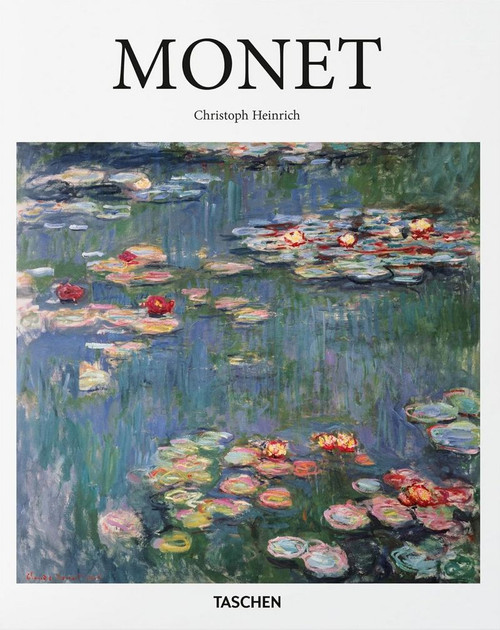
Claude Monet (1840-1926) was the most typical and the most individual Impressionist painter. His long life he dedicated to a pictorial exploration of the sensations which reality, and in particular landscape, offers the human eye. Čítať ďalej ↓
But while Monet the painter was faithful and persevering in the pursuit of his motifs, his personal life followed a more restless course. Parisian by birth, he discovered plein-air painting as a youth in the provinces, where one of his homes, Argenteuil, has come to represent the artistic flowering and official establishment of Impressionism as a movement, with Monet as its creative leader. In his endeavor to capture the ever-changing face of reality, Monet went beyond Impressionism and thereby beyond the confines of self-contained panel painting: in Giverny he painted the Poplars, Grain Stacks and Rouen Cathedral series in which he addressed one motif in constantly new variations. Here, too, Monet laid out the famous garden with its water-lily pond which he was to paint on huge canvases well into the 1920s. He thereby sought to render not reality as objectively experienced, but rather that which takes place "between the motif and the artist." In their open, merely tenuously representational structure and impressive scale, Monet's water lily paintings - created long before the currents of the contemporary avant-garde - point the way to the developments of the future.
Aby ste mohli používať wishlist v našom internetovom kníhkupectve, musíte sa najprv prihlásiť. Ak u nás ešte nemáte vlastné konto, môžete si ho vytvoriť registráciou.
Odkaz na jeho obnovu vám zašleme na váš e-mail.
Pokračujte zadaním e-mailovej adresy pre obnovenie Vášho hesla| Tel.: |
+421 948 161 216 Sme dostupní do 16:00, zavolajte nám! |
| E-mail: | istore@artforum.sk |
