
K prevádzke internetového kníhkupectva Artforum využívame cookies slúžiace na zabezpečenie a meranie funkčnosti, marketingové účely a zaistenie vášho maximálneho pohodlia a spokojnosti.
Cookies sú malé textové súbory s obmedzenou časovou platnosťou ukladáné vo vašom prehliadači. Umožňujú nám rozoznať vás, zabezpečiť nákup a identifikovať, čo vás napr. najviac zaujíma, čo vyhľadávate alebo či je pre vás všetko dostatočne pochopiteľné. Rovnako ich používame na marketingové účely, na zobrazenie reklamy a obsahu stránky, ktorý je tak pre vás relevantnejší. Pracujeme tiež s pixelmi – malými neviditeľnými obrázkami, ktoré zbierajú informácie o vašom prehliadači a zariadení.
Cookies nám pomáhajú zaistiť vaše maximálne pohodlie a spokojnosť pri nákupe.
Okrem týchto možností môžete využiť možnosti zabudované priamo do vášho prehliadača na zmazanie existujúcich alebo blokovanie nových cookies. Nezabudnite, že nastavenia prehliadača budete musieť upraviť na každom zariadení, kde budete prehliadať naše internetové kníhkupectvo. Ďalšie prehliadače.
Ak máte k tomuto cookies vyhláseniu akékoľvek otázky, dajte nám vedieť.
Toto prehlásenie bolo naposledy aktualizované 22.04.2023.
Hackers, scholars, artists and activists of all regions, races and sexual orientations consider how humans might reconstruct themselves by way of technology.
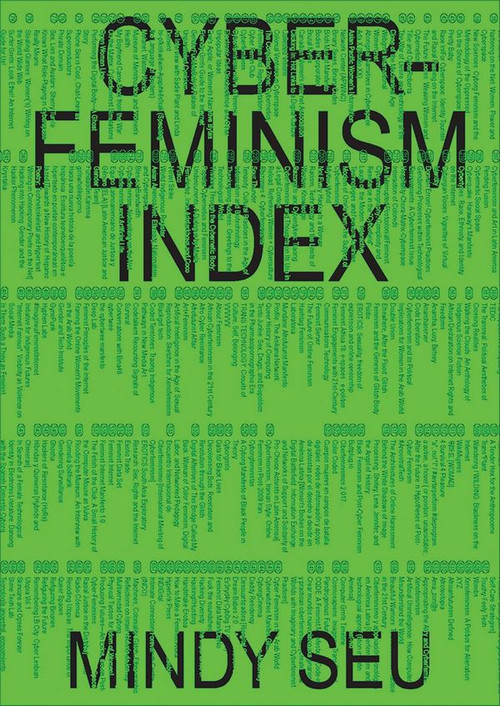
When learning about internet history, we are taught to focus on engineering, the military-industrial complex and the grandfathers who created the architecture and protocol, but the internet is not only a network of cables, servers and computers. Čítať ďalej ↓
It is an environment that shapes and is shaped by its inhabitants and their use. The creation and use of the Cyberfeminism Index is a social and political act. It takes the name cyberfeminism as an umbrella, complicates it and pushes it into plain sight. Edited by designer, professor and researcher Mindy Seu (who began the project during a fellowship at the Harvard Law School’s Berkman Klein Center for the Internet & Society, later presenting it at the New Museum), it includes more than 1,000 short entries of radical techno-critical activism in a variety of media, including excerpts from academic articles and scholarly texts; descriptions of hackerspaces, digital rights activist groups, bio-hacktivism; and depictions of feminist net art and new media art. Contributors include: Skawennati, Charlotte Web, Melanie Hoff, Constanza Pina, Melissa Aguilar, Cornelia Sollfrank, Paola Ricaurte Quijano, Mary Maggic, Neema Githere, Helen Hester, Annie Goh, VNS Matrix, Klau Chinche / Klau Kinky and Irina Aristarkhova.
Aby ste mohli používať wishlist v našom internetovom kníhkupectve, musíte sa najprv prihlásiť. Ak u nás ešte nemáte vlastné konto, môžete si ho vytvoriť registráciou.
Odkaz na jeho obnovu vám zašleme na váš e-mail.
Pokračujte zadaním e-mailovej adresy pre obnovenie Vášho hesla| Tel.: |
+421 948 161 216 Zavolajte nám v pondelok od 9:00 |
| E-mail: | istore@artforum.sk |
