
K prevádzke internetového kníhkupectva Artforum využívame cookies slúžiace na zabezpečenie a meranie funkčnosti, marketingové účely a zaistenie vášho maximálneho pohodlia a spokojnosti.
Cookies sú malé textové súbory s obmedzenou časovou platnosťou ukladáné vo vašom prehliadači. Umožňujú nám rozoznať vás, zabezpečiť nákup a identifikovať, čo vás napr. najviac zaujíma, čo vyhľadávate alebo či je pre vás všetko dostatočne pochopiteľné. Rovnako ich používame na marketingové účely, na zobrazenie reklamy a obsahu stránky, ktorý je tak pre vás relevantnejší. Pracujeme tiež s pixelmi – malými neviditeľnými obrázkami, ktoré zbierajú informácie o vašom prehliadači a zariadení.
Cookies nám pomáhajú zaistiť vaše maximálne pohodlie a spokojnosť pri nákupe.
Okrem týchto možností môžete využiť možnosti zabudované priamo do vášho prehliadača na zmazanie existujúcich alebo blokovanie nových cookies. Nezabudnite, že nastavenia prehliadača budete musieť upraviť na každom zariadení, kde budete prehliadať naše internetové kníhkupectvo. Ďalšie prehliadače.
Ak máte k tomuto cookies vyhláseniu akékoľvek otázky, dajte nám vedieť.
Toto prehlásenie bolo naposledy aktualizované 22.04.2023.
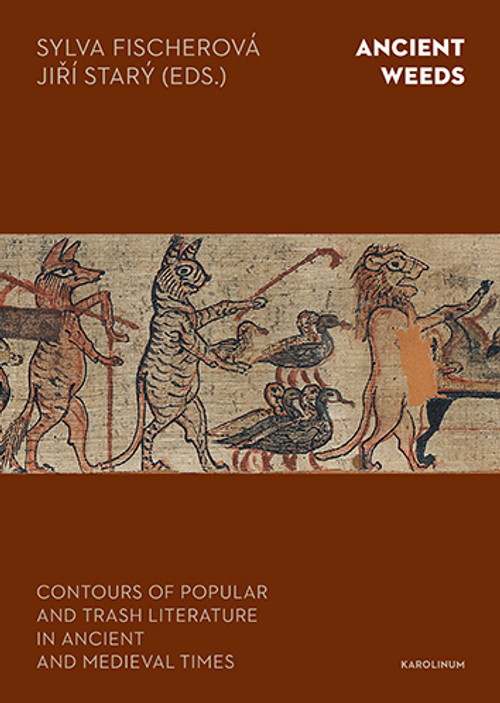
The handbooks of literary studies usually tell us that the emergence of popular and junk literature is related to the emergence of modern society. We are told that this literary form, characterized by schematicity, simplicity, and lack of creativity, did not come about until the rise of literacy and the shortening of workdays. Čítať ďalej ↓
This publication attempts to present a different perspective, demonstrating that antiquity had its fair share of literary pieces that fit the definition of popular, trivial, and junk literature. The authors analyze artifacts such as the ancient Egyptian Turin Papyrus, ancient love novels, Christian hagiographies and passion plays, lives of Jesus and Marian hymns, Byzantine parodies of liturgical procedure, Old Norse tales and lying sagas, Arabic maqams and Spanish blind romances. Through numerous excerpts, it becomes clear that the line between junk and high literature is thinner than it seems. We find that seemingly low themes such as sex and violence can overlap with the themes of high literature, that schematicity does not preclude variation and innovation, that low literature is often more imaginative and subversive than canonical texts, and that bizarreness and non-comformity to the rules do not equate to ephemerality. Thousands of years after it was written, low literature can still be a great source of entertainment today.
Aby ste mohli používať wishlist v našom internetovom kníhkupectve, musíte sa najprv prihlásiť. Ak u nás ešte nemáte vlastné konto, môžete si ho vytvoriť registráciou.
Odkaz na jeho obnovu vám zašleme na váš e-mail.
Pokračujte zadaním e-mailovej adresy pre obnovenie Vášho hesla| Tel.: |
+421 948 161 216 Zavolajte nám v pondelok od 9:00 |
| E-mail: | istore@artforum.sk |
